
Yes, renters insurance can cover water damage, but the cause of the water matters more than the fact that something got wet. A standard renters policy will often cover your belongings when water damage is sudden and accidental, such as a burst pipe or an unexpected appliance leak. It generally will not cover flooding from outside the building, gradual leaks, or damage caused by poor maintenance.
There is another key distinction: renters insurance protects what you own, not the building itself. If a pipe bursts inside your apartment and ruins your sofa, laptop, and clothing, your policy may pay for those belongings after your deductible. Repairs to the walls, flooring, pipes, or other parts of the building are usually the landlord’s responsibility and fall under the property owner’s insurance.
When Renters Insurance Usually Covers Water Damage
Most standard renters policies cover personal property against specific covered causes of loss. Water released suddenly from plumbing, heating, air-conditioning, or household appliances is commonly included. That means a water damage insurance claim may be valid when the event is unexpected rather than the result of an ongoing problem.
Burst or Frozen Pipes
Burst pipe coverage is one of the clearest examples. Suppose a pipe in the wall freezes, breaks overnight, and water pours into your bedroom. If your mattress, clothes, and electronics are damaged, renters insurance may cover the insured belongings, subject to your deductible and policy limits.
Coverage can become more complicated if the insurer believes reasonable steps were not taken to prevent the loss. Policy language varies, so renters should review any conditions involving heat, vacancy, or failure to protect property after a problem is discovered.
Appliance Leaks and Overflows
Appliance leak insurance protection may apply when a washing machine hose suddenly breaks, a dishwasher unexpectedly leaks, or a neighboring tenant’s overflowing bathtub sends water through the ceiling. Again, the important idea is sudden and accidental water discharge.
For example, imagine your upstairs neighbor leaves a bathtub running and water damages your television and a bookcase. Your renters policy may cover your damaged possessions even though the water originated in someone else’s unit. Your insurer can then determine whether another party may ultimately be responsible.
Rain Entering After Covered Damage
Water damage may also be covered when rain enters because a covered event first damages the building. If strong wind breaks a window and rain immediately damages your belongings, the resulting loss may qualify. By contrast, rainwater that accumulates on the ground and enters the building as a flood is normally treated differently.
When Renters Insurance Usually Does Not Cover Water Damage
Standard renters insurance is not designed to cover every form of water intrusion. Common exclusions include external flooding, long-term seepage, and losses connected to maintenance problems.
Flooding From Outside
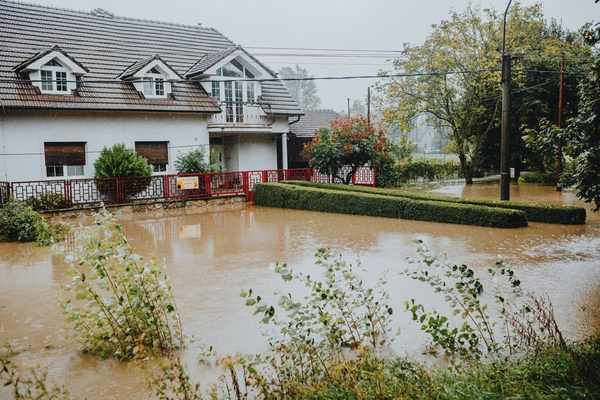
Flood damage is generally excluded from standard renters insurance. This includes water entering from overflowing rivers, storm surge, heavy-rain flooding, or other rising surface water. Renters who want protection for belongings from flooding can purchase separate contents coverage through the National Flood Insurance Program where available, or consider private flood insurance.
This distinction can surprise renters because two losses may look nearly identical inside the apartment. Water from a broken pipe may be covered, while water rising into the same room during a flood may not be.
Slow Leaks, Seepage, and Neglect
A leak that has been dripping for weeks or months is less likely to be covered than a sudden pipe break. Insurers may deny damage associated with repeated seepage, deterioration, mold, corrosion, or problems that should reasonably have been reported or repaired earlier.
If you notice a small leak, notify your landlord promptly and keep a written record. That simple step can help limit damage and document that you acted quickly rather than allowing the problem to continue.
Sewer and Drain Backups
Sewer or drain backup coverage is not automatically included in every renters policy. Some insurers exclude it unless you buy an endorsement or optional add-on. If this is a concern in your building or neighborhood, check your declarations page and policy wording rather than assuming you are protected.
What Renters Insurance May Pay For
When the cause of water damage is covered, your policy can potentially pay to repair or replace insured personal property such as furniture, clothing, electronics, rugs, and other belongings. The amount you receive depends on your coverage limit, deductible, and whether your policy settles losses using actual cash value or replacement cost.
If a covered water loss makes your apartment temporarily uninhabitable, additional living expense coverage may also help with reasonable extra costs such as a hotel or the difference between your normal food expenses and necessary temporary meal costs. Limits and conditions vary by policy.
Renters who want a broader understanding of what personal property protection includes may also find a guide to renters insurance coverage useful. A separate explanation of replacement cost versus actual cash value can help clarify how claim payments are calculated.
How to File a Water Damage Insurance Claim
Start by stopping further damage if you can do so safely. Contact the landlord or emergency maintenance service for the source of the leak, move undamaged belongings away from the water, and avoid electrical hazards.
Next, photograph or record the damaged area before throwing items away. Make a list of affected belongings, including approximate purchase dates and values when possible. Save receipts for emergency expenses and contact your insurer promptly. The claims representative will ask what happened, when it happened, and what property was damaged.
Do not assume that every water loss should be handled the same way. The insurer will focus on the source and timing of the water because those facts often determine whether the event falls within the policy’s covered perils or exclusions.
FAQ
Does renters insurance cover water damage from a burst pipe?
Usually, yes, if the water damage is sudden and accidental and the loss is otherwise covered by the policy. Renters insurance typically applies to your belongings, while the landlord’s insurance generally handles damage to the building itself.
Does renters insurance cover a leaking washing machine?
It may cover damage to your insured belongings when a washing machine hose or appliance suddenly fails. Damage from a slow, known, or poorly maintained leak may be excluded.
Does renters insurance cover flood damage?
Standard renters insurance generally does not cover flooding from rising surface water, storm surge, or overflowing bodies of water. Separate renters flood insurance or private flood coverage may be available.
Will renters insurance pay for a hotel after water damage?
It may if the water damage resulted from a covered loss and the apartment is temporarily uninhabitable. Additional living expense coverage is subject to policy limits and conditions.
The Bottom Line
Renters insurance can be valuable after water damage, but coverage depends on why the water entered your home. Sudden events such as burst pipes, unexpected appliance leaks, and certain overflows are commonly covered, while floods, gradual seepage, and maintenance-related problems are commonly excluded. Review your own policy, deductible, limits, and endorsements before a loss occurs so you know where the gaps are and whether separate flood or backup coverage makes sense.